

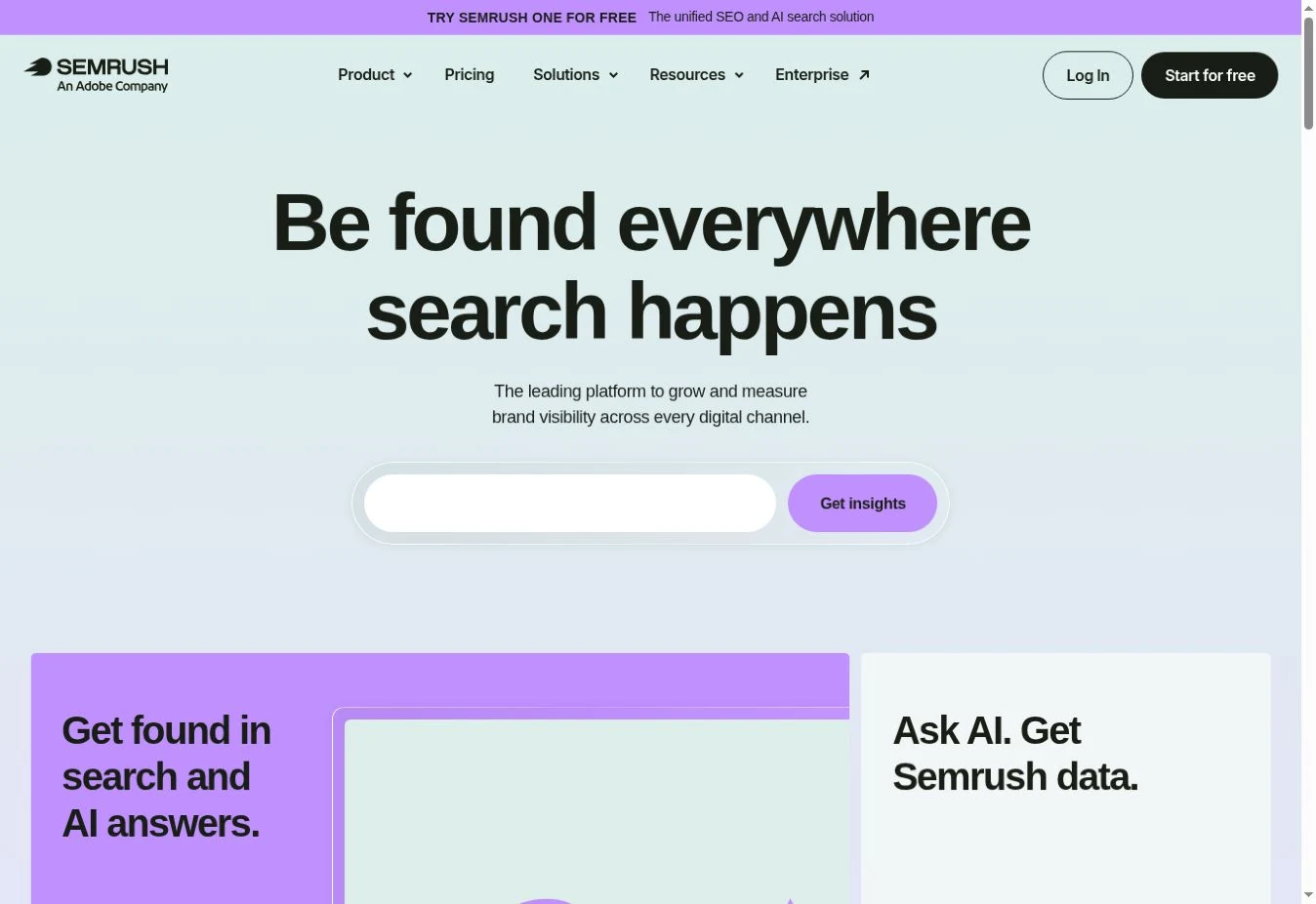
What it does: Semrush combines keyword research, competitor analysis, position tracking and site auditing. Its SEO + AI Search Starter plan also lists custom prompt monitoring and AI brand performance reporting.
Best for: Agencies combining SEO research and AI search reporting.
Strength: A useful shortlist choice when one team needs research and reporting in the same account. Limitation: Compare the SEO-only plan with the combined bundle. Prompt limits, tracked domains and extra users affect the total cost.
Pricing: SEO: $139/month. SEO + AI Search Starter: $199/month; annual discounts available. Check the official features and pricing.
Example workflow: For a Chennai training website, research course queries, inspect competing pages and monitor a separate set of non-branded AI recommendation prompts.
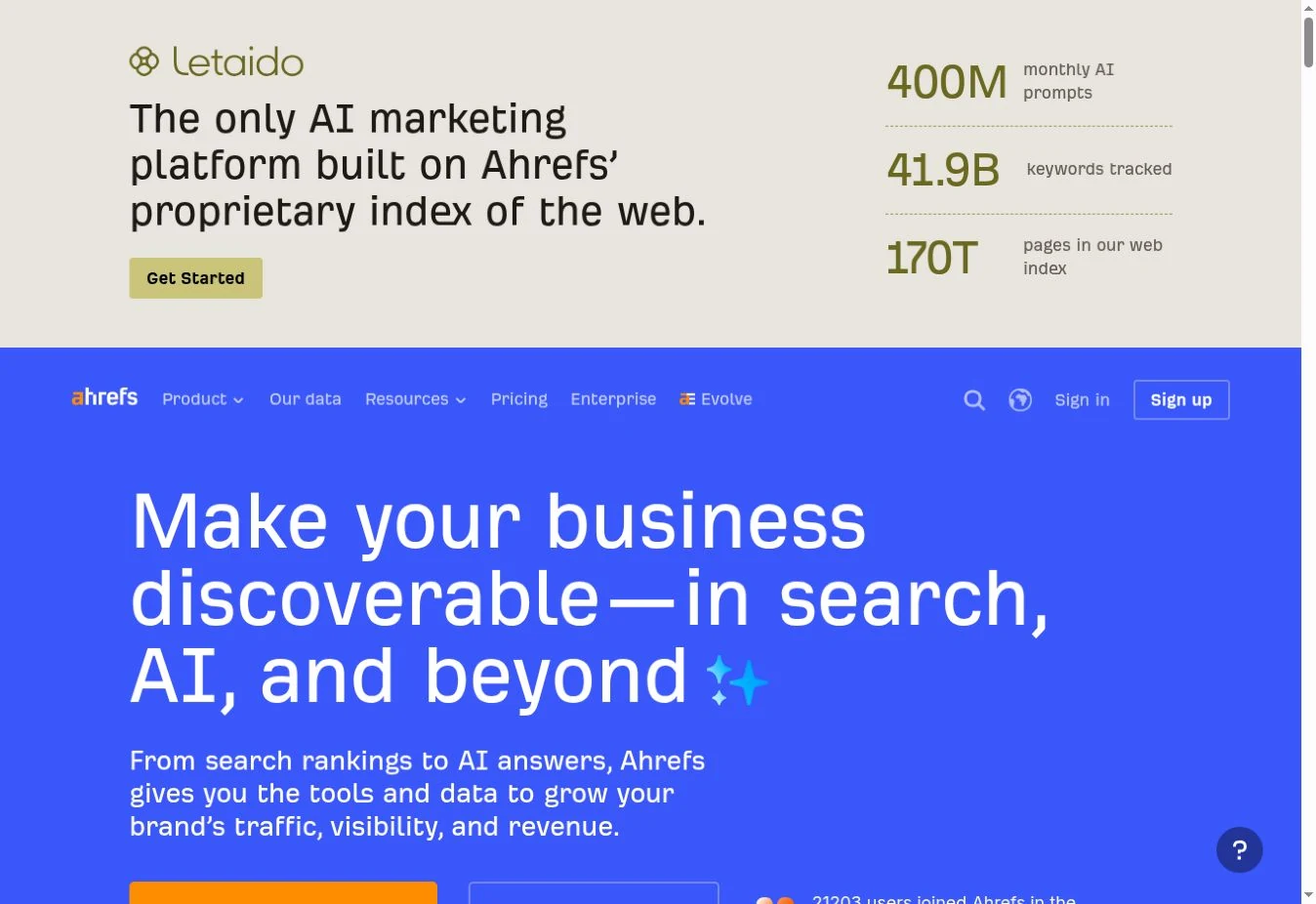
What it does: Brand Radar separates custom prompt tracking from its pre-collected AI visibility index. It offers brand mention and citation research, competitor comparisons and visibility exploration.
Best for: Teams investigating AI mentions, citations and competing brands.
Strength: Useful for finding which topics and sources already feature a brand. Limitation: A database built from modeled search prompts may have limited coverage for small or newly launched brands. Included checks and separately priced products must be distinguished.
Pricing: Custom prompt tracking starts at $50/month; AI Visibility Index starts at $199/month. Some checks are included with eligible Ahrefs subscriptions. Check the official features and pricing.
Example workflow: Track buyer questions directly rather than expecting an unknown academy to appear in broad database reports immediately.
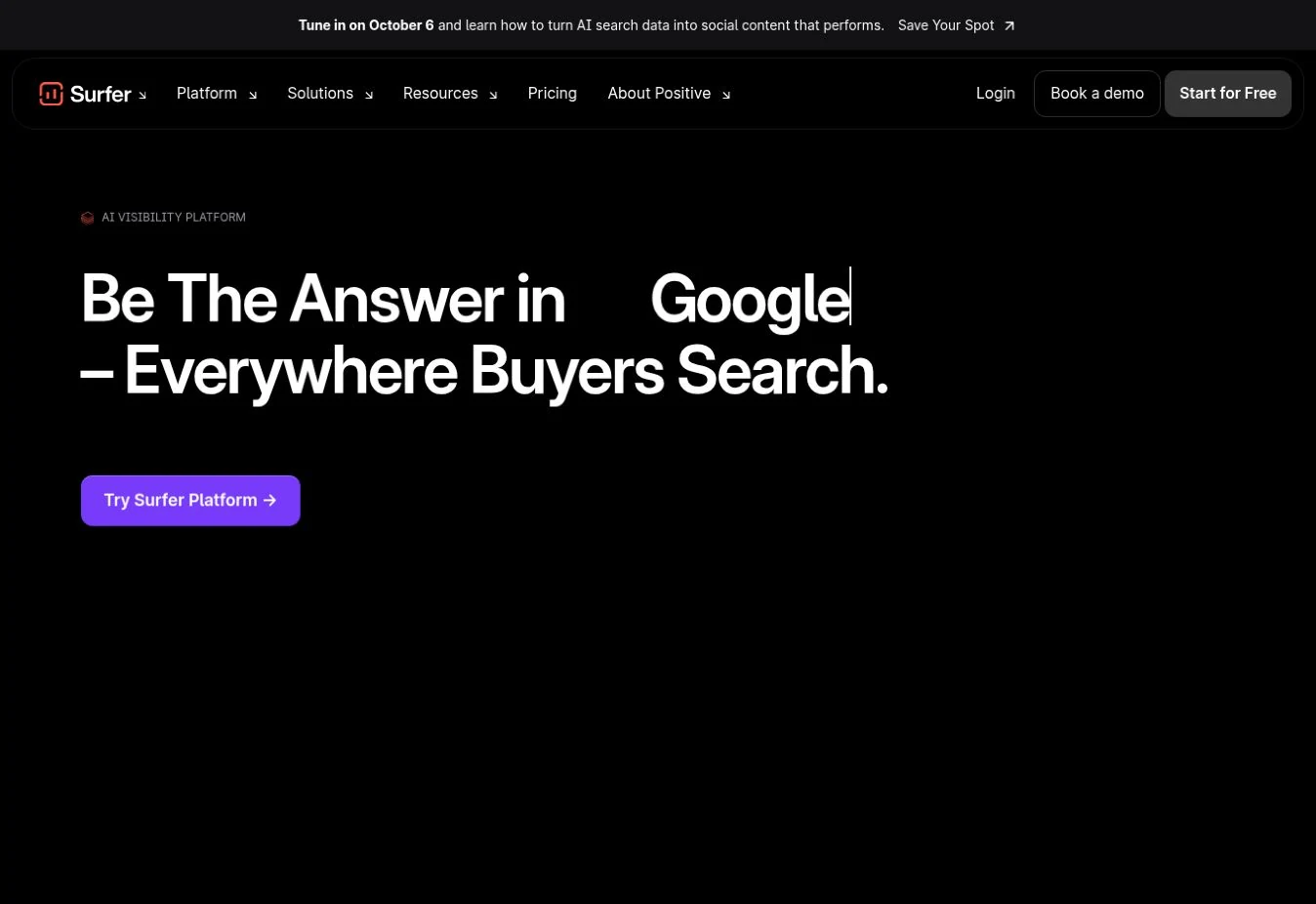
What it does: Surfer offers content optimization, an AI writing assistant and content scoring. AI search analytics and tracking allowances differ by package.
Best for: Writers and content teams improving existing articles.
Strength: Useful when writers need one place to draft, review recommendations and refresh content. Limitation: A higher content score is a software assessment, not proof of ranking improvement. Select a tracking-enabled plan if AI monitoring is the main requirement.
Pricing: The retrieved page displays Discovery at €49/month and Standard at €99/month, both billed yearly. Currency and monthly billing can differ. Check the official features and pricing.
Example workflow: Refresh an existing tools article using relevant topic suggestions, then remove recommendations that do not help the reader.
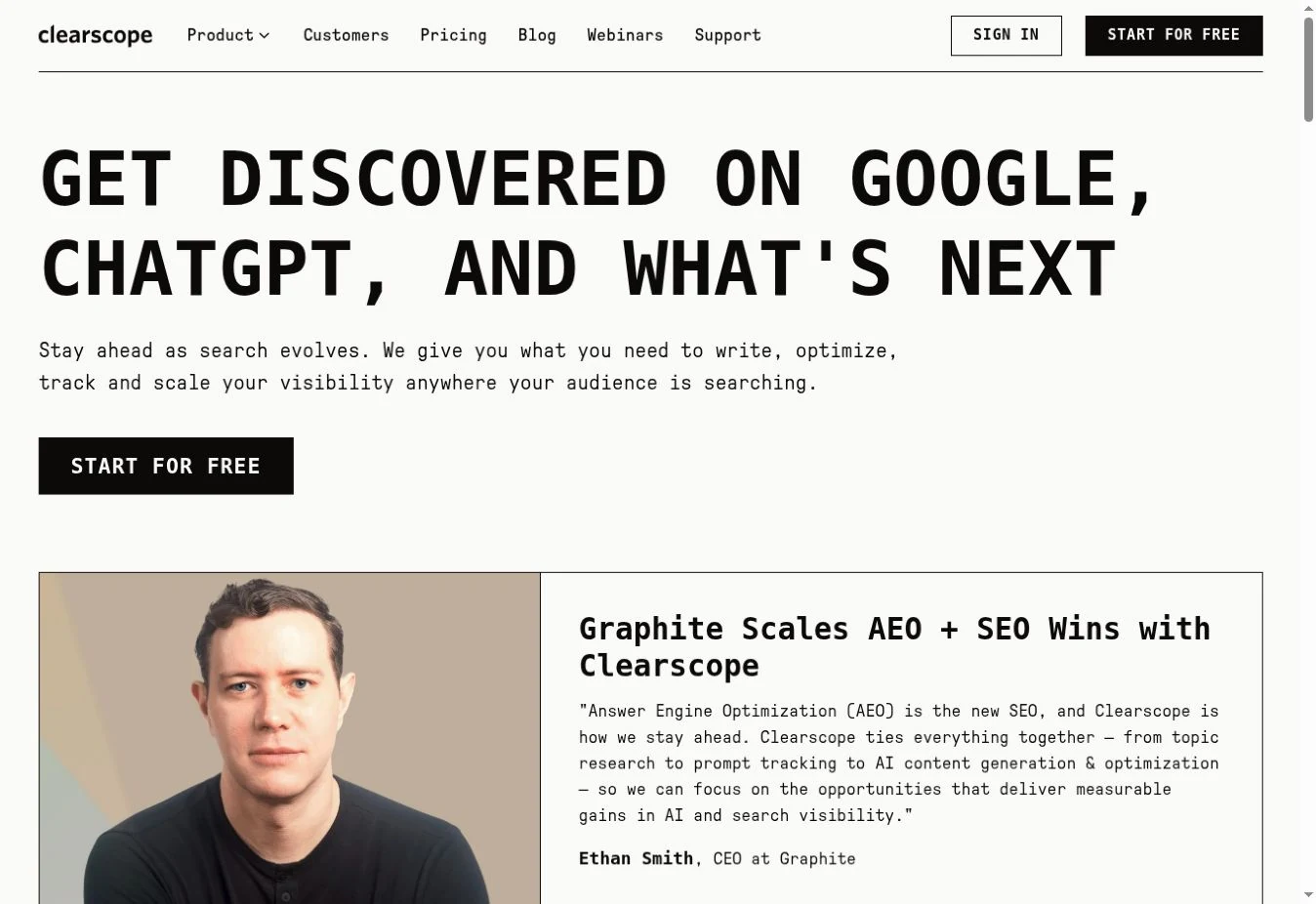
What it does: Clearscope lists search-intent recommendations, topic explorations, drafts, page monitoring and query tracking across ChatGPT and Gemini.
Best for: Editorial teams managing content and tracked queries.
Strength: A practical option for teams connecting editorial decisions with search and AI visibility monitoring. Limitation: Page, draft and query limits matter more than the headline subscription alone. It should not be treated as a substitute for a technical crawl.
Pricing: Essentials: $129/month. Business: $399/month. Additional usage can increase the bill. Check the official features and pricing.
Example workflow: Use the same course-selection query across a content refresh and a tracking report, keeping the target audience consistent.
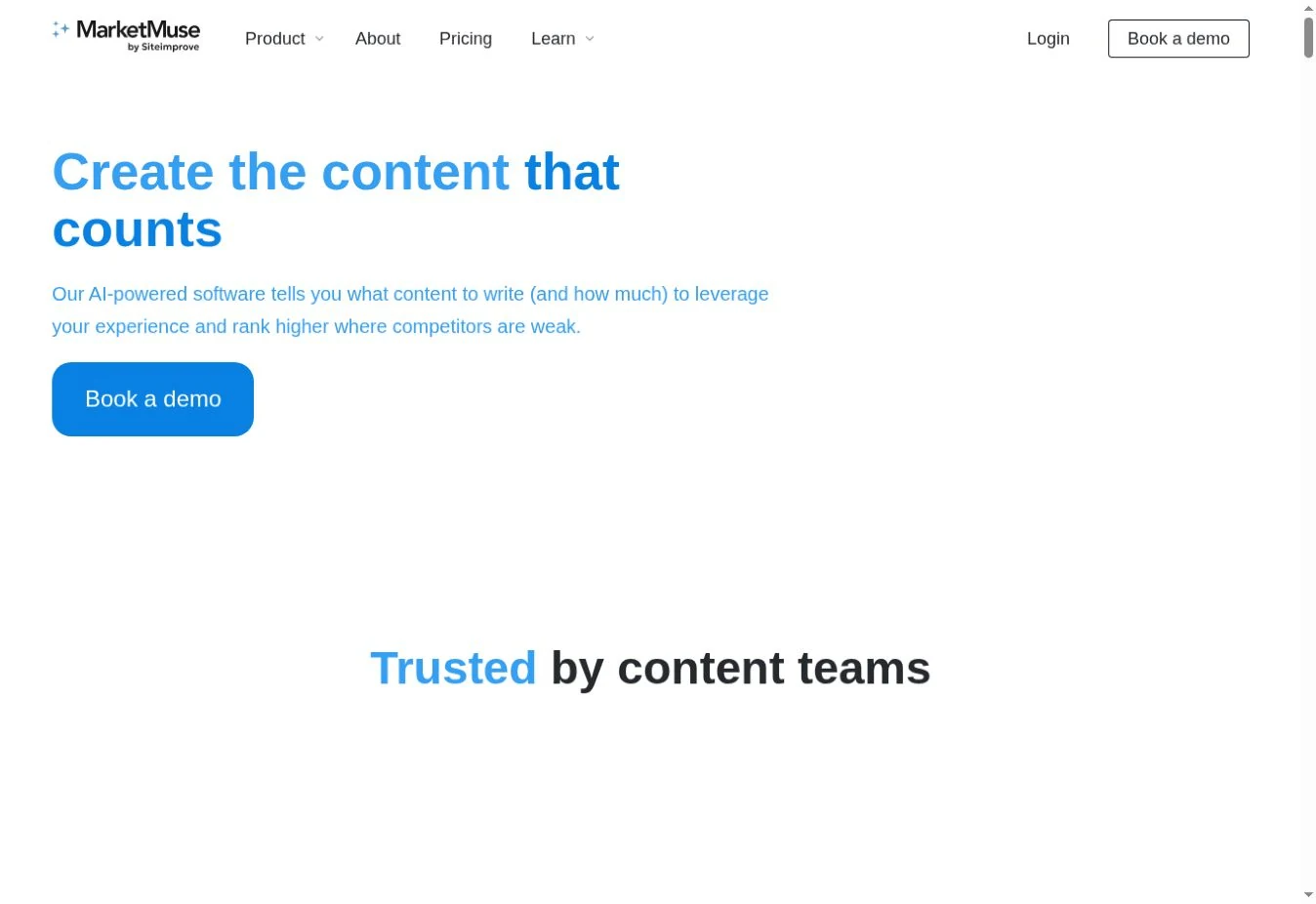
What it does: MarketMuse provides topic modeling, content briefs and inventory-based planning in its paid packages. Its published comparison includes topic and research allowances.
Best for: Content strategists deciding what to create or improve.
Strength: Useful when the main problem is an unorganized content library rather than slow drafting. Limitation: The free package excludes the full site inventory. Paid scope and available briefs vary by plan.
Pricing: Free plan: one user and 10 queries/month. Paid Optimize, Research and Strategy packages require confirmation with the vendor; a numeric price was not shown in the retrieved page. Check the official features and pricing.
Example workflow: Group existing course articles by intent before deciding whether another Chennai course list would add a distinct benefit.
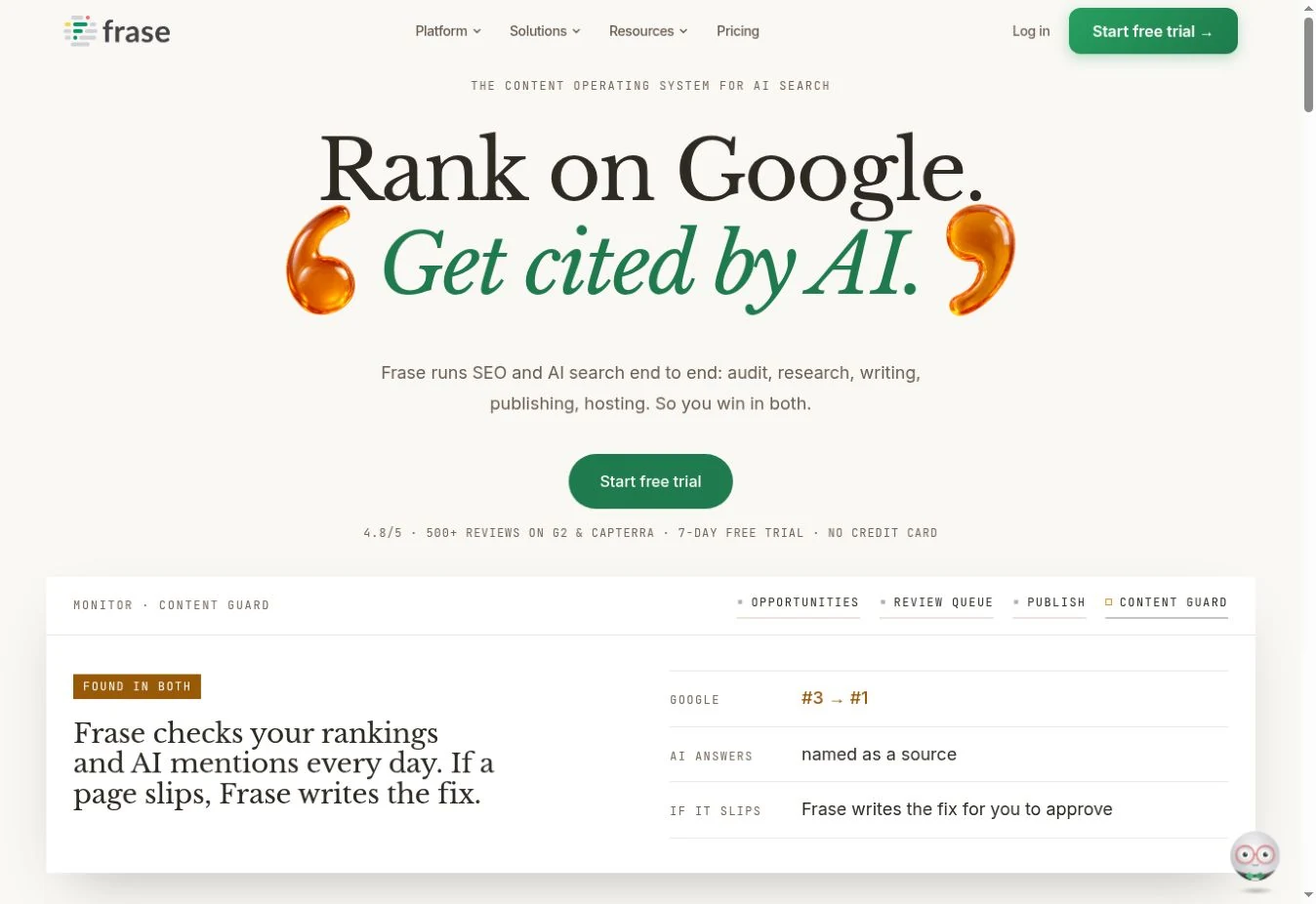
What it does: Frase combines SEO research, content optimization, AI drafting and CMS publishing. Its plans also include AI visibility features with engine coverage varying by tier.
Best for: Freelancers and teams building a research-to-publication workflow.
Strength: Useful for keeping research, writing and publishing within a connected workflow. Limitation: Article, audit-page, site and seat limits must match your workload. Automatic publishing still needs a clear editorial review policy.
Pricing: Starter: $49/month on monthly billing or $39/month billed yearly. Higher tiers increase article, site and audit allowances. Check the official features and pricing.
Example workflow: Build a tool comparison draft from documented features, check every factual claim and approve the final version before publishing.
What it does: The Core package lists rank tracking, keyword and competitor research, website audits and prompt tracking. Project capacity and reporting features increase on higher plans.
Best for: Marketing teams managing repeatable SEO and GEO work.
Strength: A reasonable shortlist option for teams monitoring both search rankings and AI prompts. Limitation: Verify project, manager-seat, keyword and prompt allowances before comparing it with another suite.
Pricing: Core: $129/month or $103.20/month with annual billing. Growth: $279/month or $223.20/month with annual billing. Check the official features and pricing.
Example workflow: Keep Chennai keyword rankings and AI recommendation prompts in separate reports so one type of visibility does not stand in for the other.
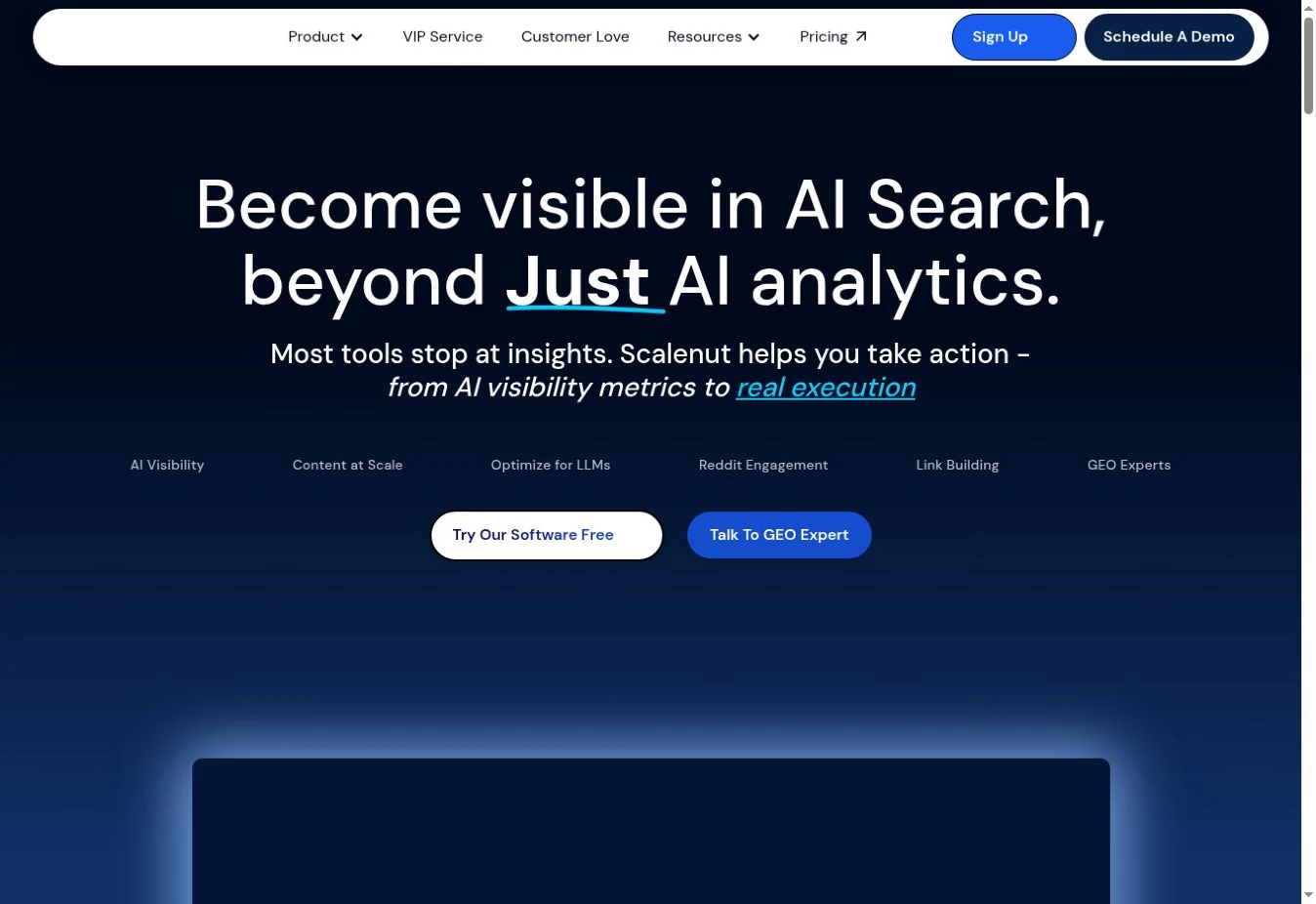
What it does: Scalenut lists keyword clusters, GEO article creation, existing-content optimization and AI visibility monitoring. Prompt allowances and supported engines depend on the package.
Best for: Small content teams connecting clusters with GEO content workflows.
Strength: Useful when one team wants to move from a cluster to a draft and subsequent refresh. Limitation: The promotion and doubled allowances are time-sensitive. Do not assume entry-level engine coverage matches the higher-tier package.
Pricing: Starter is displayed at $59/month before a limited promotion. Confirm the selected billing term and promotional conditions at checkout. Check the official features and pricing.
Example workflow: Separate an informational AI SEO guide from a commercial software comparison before generating either article.
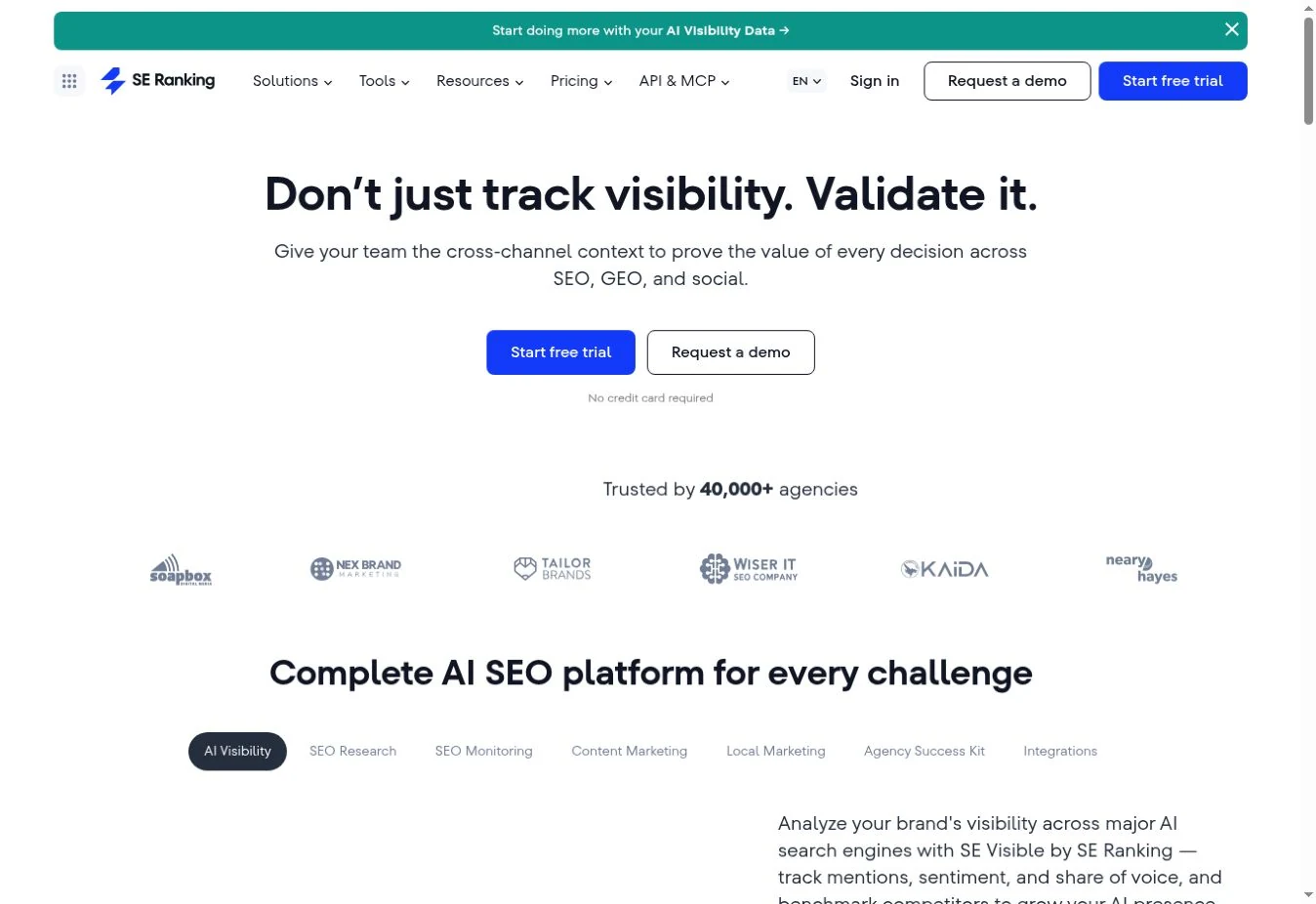
What it does: The Starter package lists monitoring across ChatGPT, Gemini and Google AI Overviews, alongside AI articles and site audits. Higher plans expand capabilities.
Best for: Teams linking AI visibility reporting with content production.
Strength: Useful for teams that want a tracking and content workflow in one platform. Limitation: Seats, projects, article quantities, audit size and access to agentic features vary. Do not assume every automation is included in Starter.
Pricing: Starter is displayed at $79/month billed annually. Confirm monthly billing separately. Check the official features and pricing.
Example workflow: Use a visibility gap as a research starting point, then validate whether a useful page or a refresh is the appropriate response.
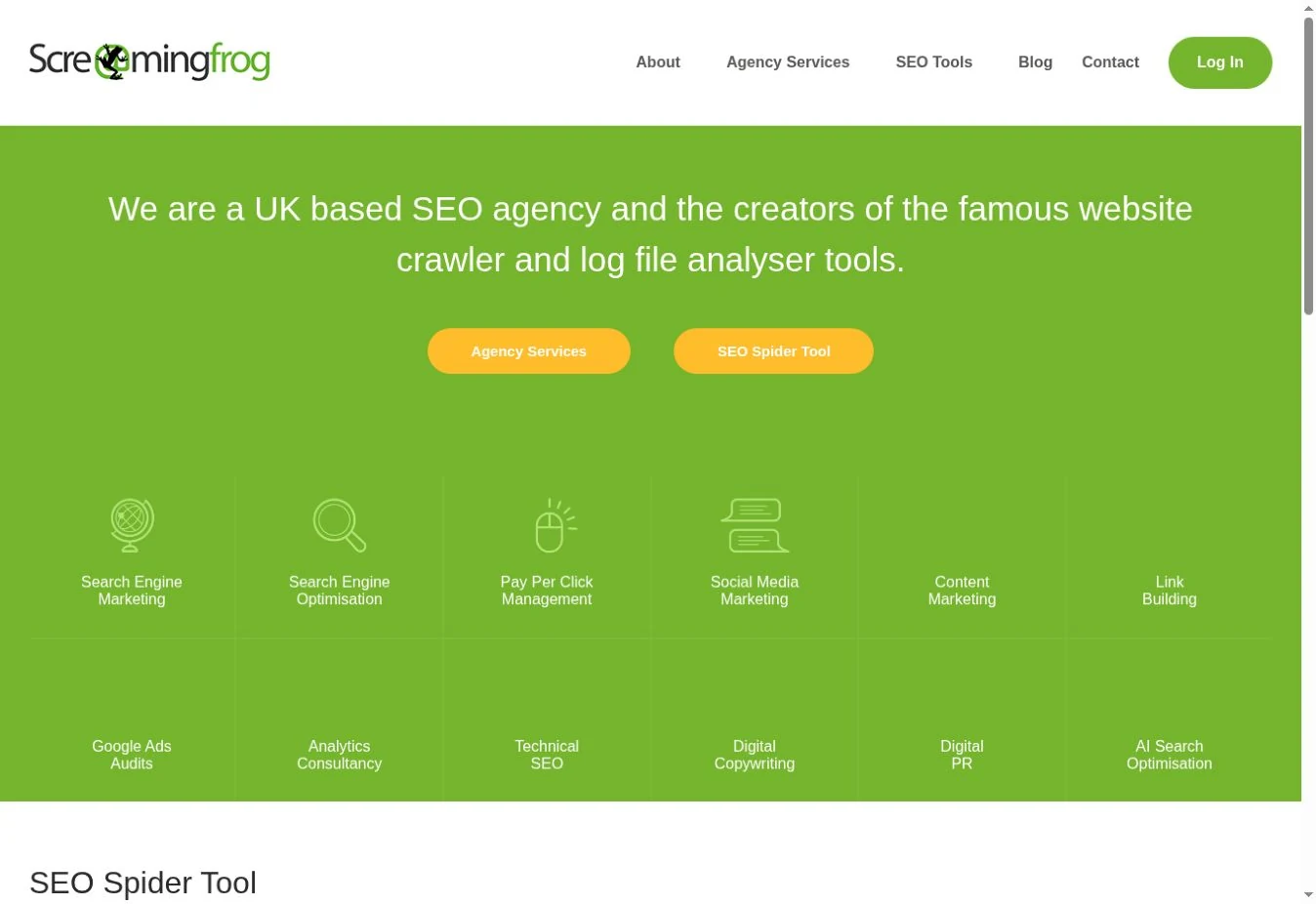
What it does: SEO Spider audits links, titles, metadata, directives and duplicates. The paid feature list includes AI integrations and JavaScript rendering.
Best for: Technical SEOs diagnosing pages before optimizing content.
Strength: Useful for checking whether content can be crawled and for exporting an auditable list of issues. Limitation: It is a crawler rather than an AI citation tracker. Advanced features need a licence, and AI-provider usage may involve separate costs.
Pricing: Free version crawls up to 500 URLs. The retrieved page displays the paid licence at €245/year; other currencies are available. Check the official features and pricing.
Example workflow: Check the existing article’s status, canonical and internal links before interpreting weak visibility as a writing problem.
What it does: Alli AI offers on-page automation, a visual SEO editor, internal linking automation and schema tooling. Its pricing page also lists AI crawler and traffic-monitoring features.
Best for: Agencies implementing repeatable website optimization rules.
Strength: Useful when repeated implementation work is slowing down a multi-site team. Limitation: Changes still need QA. Check site and page allowances, rendering behavior and rollback options before deploying rules broadly.
Pricing: Business: $299/month on monthly billing; the annual option displays approximately $249/month with $2,990 billed annually. Check the official features and pricing.
Example workflow: Approve a limited set of title fixes on a small group of URLs, verify the output and expand only after review.
What it does: Profound lists answer-engine insights, prompt tracking, AI marketing workflows and agent analytics. The enterprise package includes tailored tracking and organizational controls.
Best for: Organizations coordinating AI search research and team workflows.
Strength: Useful for teams that need coordinated research, reporting and governance. Limitation: Trial scope does not represent every enterprise capability. Compare the quoted tracking coverage, history and integrations with your actual requirements.
Pricing: A limited free trial is listed. Enterprise packages use custom pricing; obtain a written quote for the required scope. Check the official features and pricing.
Example workflow: Ask for reporting that separates brand mentions, linked citations and resulting website activity.
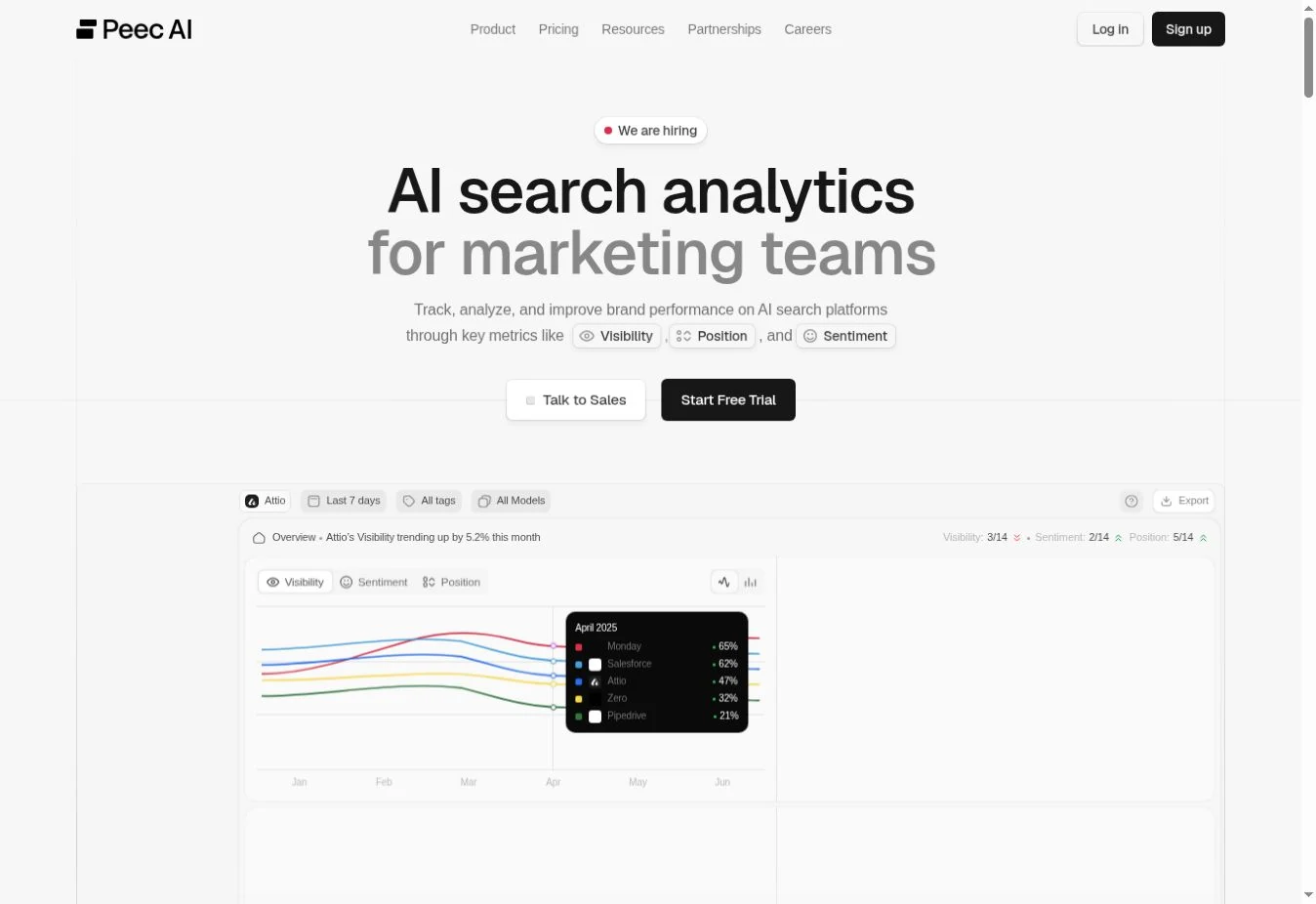
What it does: Peec AI’s Starter package lists 50 prompts, three selected models, daily tracking, one project and unlimited users. Higher tiers expand prompt and project capacity.
Best for: SEO teams tracking a consistent set of AI search questions.
Strength: Useful for maintaining a repeatable monitoring set across a team. Limitation: A three-model selection is not the same as every available model. Extra-model, market and project requirements should be checked.
Pricing: Paid Starter, Pro and Advanced packages are listed. Numeric prices were not available in the retrieved page text; confirm the live price with Peec AI. Check the official features and pricing.
Example workflow: Track the same non-branded shortlist questions over time and review the underlying answers before drawing conclusions.
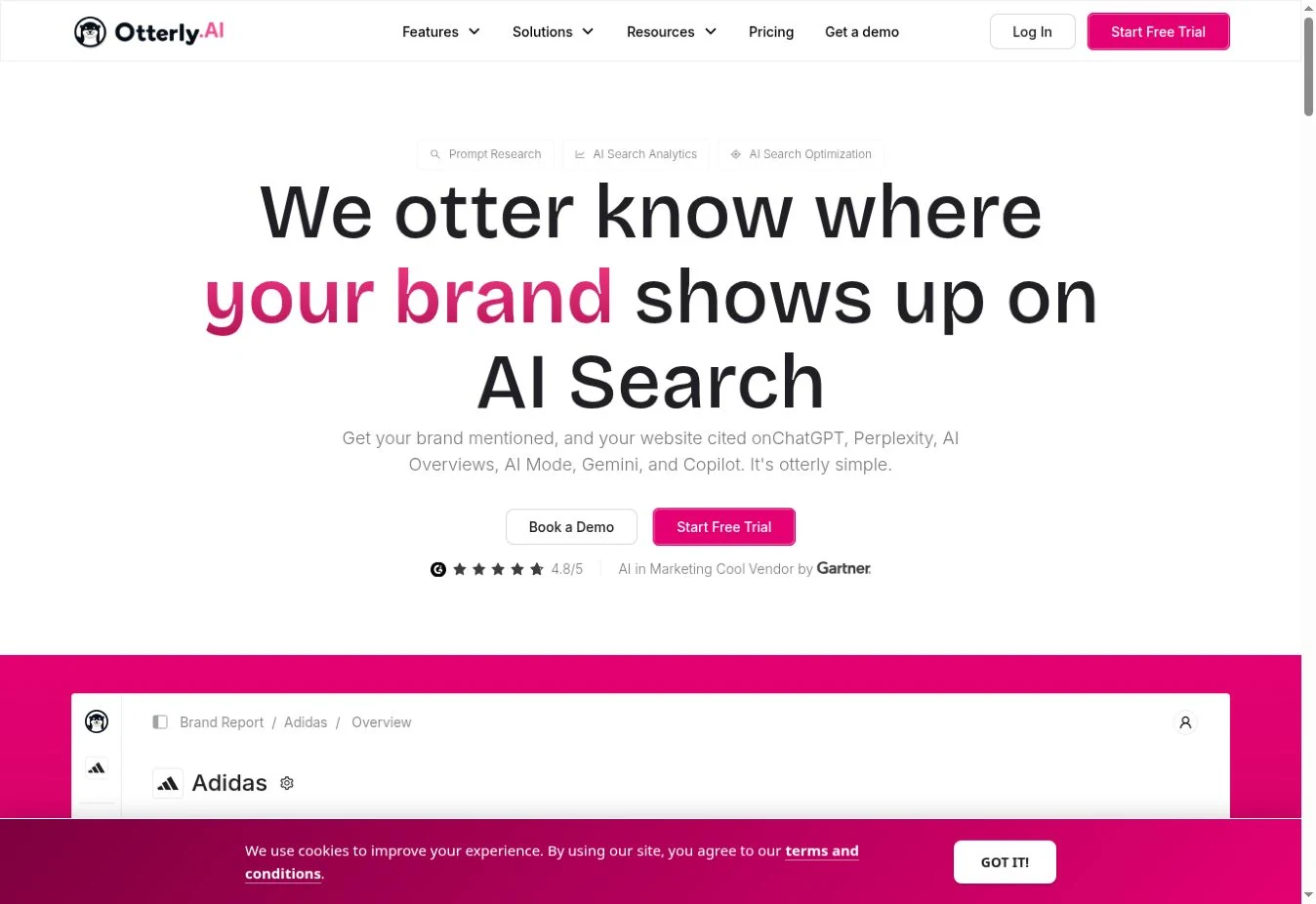
What it does: OtterlyAI lists daily monitoring, brand reporting, citation analysis and support for several AI search engines. Its Lite package includes four engines; others are add-ons.
Best for: Solo marketers starting with a small prompt set.
Strength: A practical option for a narrow monitoring pilot before committing to a larger platform. Limitation: Fifteen prompts give a limited sample. Engine add-ons can change the total cost and the comparability of reports.
Pricing: Lite: $29/month on monthly billing for 15 prompts. Additional engines and higher prompt quantities can cost extra. Check the official features and pricing.
Example workflow: Start with buyer questions that match your real customers rather than a long collection of near-identical prompts.