What Is AEO? Answer Engine Optimization for Beginners

  • Home
  • /
  • SEO
  • /
  • What Is AEO? Answer Engine Optimization for Beginners
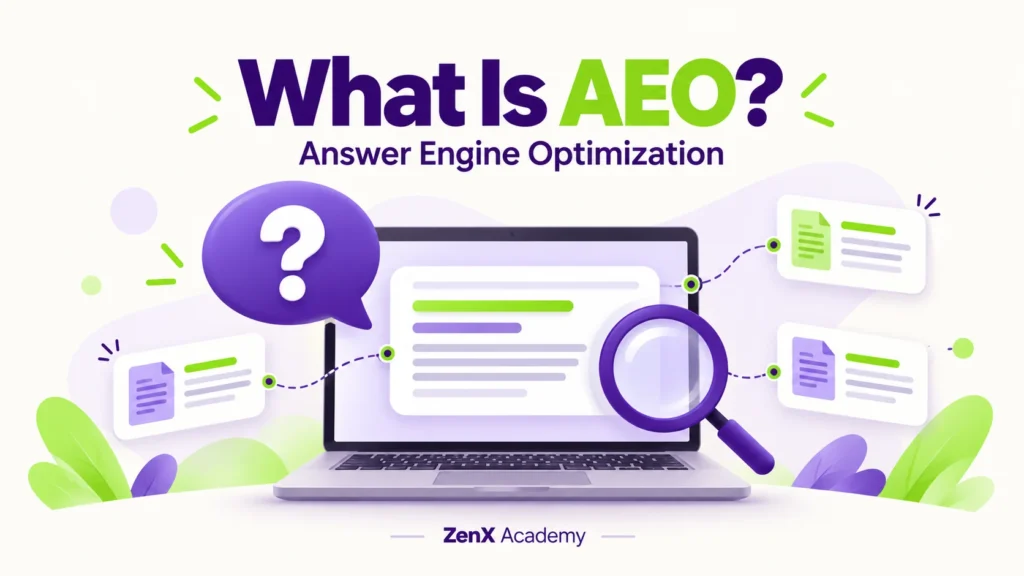
Purple and lime illustration of a laptop, question bubble, magnifying glass and source cards beneath the heading What Is AEO?

Table of Contents

Direct answer: Answer engine optimization (AEO) is the practice of making useful website information discoverable, understandable and suitable for answering questions in search and AI experiences. It combines technical SEO, clear explanations, reliable evidence and measurement; it cannot guarantee that an engine will mention or cite your website.

A student researching marketing skills and a business owner choosing a service often begin with a question. They need an explanation, a comparison or a practical next step. An answer-focused page should help them complete that task, whether they arrive through an ordinary search result, an AI response or a shared link.

This guide explains what AEO means, how it overlaps with SEO and GEO, and how to improve an existing page without creating duplicate articles. The examples are hypothetical teaching exercises, not ZenX Academy client results. Platform guidance was checked on 1 October 2026.

What should beginners know about answer engine optimization?

Quick summary: Start with a genuine reader question. Check that the page can be accessed and indexed, answer clearly, support important claims, connect relevant resources, and measure what happens. Treat citations, visits and enquiries as different outcomes. Fix a useful existing page before multiplying similar pages.

Key takeaways: A short answer needs supporting context. A brand mention is different from a clickable source citation. Good formatting helps readers but does not create guaranteed visibility. Evidence should make a claim checkable. Your first project can be one well-maintained page with an honest measurement record.

How is AEO different from SEO and generative engine optimization?

SEO covers improving how a website is discovered and presented in search. AEO describes an answer-focused goal: helping people find dependable information when a system responds directly to a question. GEO usually describes work concerned with generative answers. These labels overlap, and different practitioners draw their boundaries differently.

In Google’s official generative AI optimization guide, Google explains that improving visibility in its AI search features remains SEO. The practical implication is to retain technical and editorial fundamentals rather than treating AEO as a separate shortcut around them.

Use the following qualitative comparison as a planning aid, not a description of three separate ranking algorithms. A project can serve all three goals with the same strong page. Choose the terminology your team understands, then agree on the reader, the page and the outcome you will measure.

Planning labelMain questionUseful workOutcome to observe
SEOCan people discover and use this page through search?Access, indexing, relevance, experience and content qualitySearch visibility, visits and useful actions
AEODoes this page answer the reader’s question reliably?Clear answers, supporting context and checkable evidenceAnswer inclusion, citations and reader outcomes
GEOHow does the page appear in generative responses?Relevant source information and consistent observationsMentions, cited URLs and qualified referrals

How do search engines turn a question into an answer?

A useful conceptual model is discovery, retrieval and presentation. A system first needs access to information; it then identifies material relevant to a request; finally, it presents an answer, links or another search experience. This teaching model is deliberately simplified. It is not a published universal sequence of proprietary ranking steps.

For Google AI Overviews and AI Mode, the official AI features documentation explains that supporting pages must be indexed and eligible for snippets. It also describes related-query searches that may help assemble responses. Meeting eligibility requirements does not guarantee inclusion.

Imagine a reader asking whether an online course suits a working professional. A useful source must explain attendance expectations, lesson access and practice requirements. A vague paragraph about being the best academy does not resolve those questions. Build the information a person needs before worrying about how a model might select it.
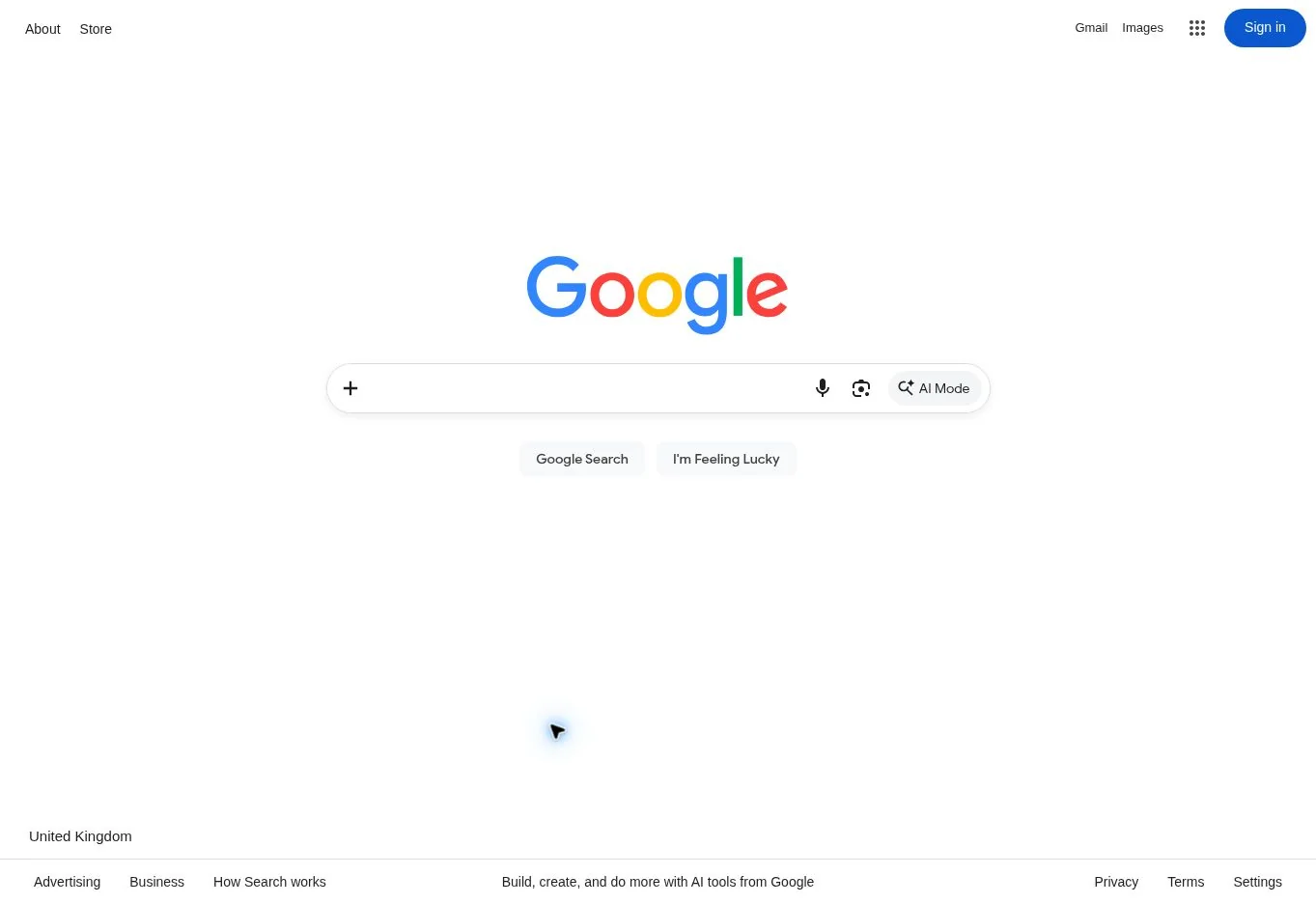
Google Search homepage with the search field and AI Mode button, captured on 1 October 2026
Official Google Search public homepage, captured on 1 October 2026. Source: https://www.google.com/. Interface reference; not a search-result or performance claim.

Which reader questions should an AEO content plan answer first?

Begin with a small question inventory drawn from real conversations, support requests and existing page gaps. Group questions by the decision behind them: understanding a term, completing a task, comparing options or checking eligibility. These groups help you choose a page format without pretending that every phrase needs a separate URL.

For a Chennai training website, “What is AEO?” is a definition request. “How do I check whether my page can be cited?” needs a workflow. “Which course teaches practical SEO?” is a commercial evaluation. “How do I enquire about a batch?” is a next-step request. Each deserves an appropriate answer and level of evidence.

Pick one central question for the page and add related sections only when they help the same reader. Keep broader background in a pillar guide and link to narrower tasks where useful. If two proposed articles would share most explanations, examples and recommendations, refresh one or define a more distinct purpose before publishing.

How can you write an answer-first paragraph with enough context?

Use an editorial pattern: direct answer, explanation, evidence or example, then limitation or next step. This is a writing technique for clarity, not a required AI ranking formula. A short opening lets the reader orient themselves; the surrounding section supplies the detail needed to make the answer useful and accurate.

Hypothetical weak answer: “Our advanced marketing program is perfect for everyone.” Improved answer: “A beginner should compare the syllabus, practice tasks, feedback process and attendance requirements before choosing a marketing course. Ask the provider to demonstrate a sample lesson and explain how submitted work is reviewed.” The second answer offers a decision method instead of an unsupported promise.

Do not apply a fixed paragraph length across the whole page. A definition may fit in a few sentences, while a troubleshooting explanation needs more room. Use headings, lists or tables when they help navigation. Google’s people-first content guidance emphasizes value, originality and satisfying the reader rather than reaching a preferred word count.

What evidence makes an answer more useful and trustworthy?

Match the evidence to the claim. A product fee needs a current official pricing page. A technical requirement needs documentation. A result from your own project needs a method, dates and underlying records. A personal recommendation needs explicit selection criteria. An outbound link is useful when it lets the reader inspect the specific supporting information.

Separate what you observed from what you infer. “The homepage displays this feature” is a narrower claim than “this feature improves rankings.” An illustration can explain a concept, while a screenshot records an interface. Neither establishes that a campaign produced revenue or that a platform will cite the article.

Keep a simple claim register during editing: claim, source, owner, checked date, caveat and section. Remove statements you cannot defend. Prefer a modest accurate description to words such as guaranteed, leading or most trusted when no comparative evidence exists. Update volatile details when they change, rather than changing the article date without revisiting the substance.

Which technical checks should come before answer optimization?

Inspect the page as a visitor first. It should open successfully, display its main information, and make the next action easy to find. Then review the intended canonical URL, indexing instructions, crawler rules and internal paths that lead to the page. Confirm that important explanations exist as readable text rather than only inside an image.

Crawler access and indexing are different issues. Google’s robots.txt introduction explains the purpose and limits of crawl controls. A robots rule is not a substitute for understanding whether a page should be indexed. Review access decisions carefully instead of copying generic rules into a live website.

For a new article, record its actual URL and ensure related published pages can lead readers to it. Check headings, image dimensions, alt text, mobile readability and link destinations. These checks help the page function reliably; they should not be described as proof that indexing, rankings or answer citations have already happened.

What should publishers check for ChatGPT search discovery?

OpenAI’s crawler documentation distinguishes OAI-SearchBot, used for search, from GPTBot, used for potential model training. Their controls are independent. A site can make a deliberate decision about search access while separately managing its preference about training-related crawling.

Review the public pages you want discovered, their robots rules, and whether the hosting or security layer allows the relevant crawler requests. Keep private accounts and restricted material protected. A browser being able to open a page does not prove that every crawler can reach it. Use actual server observations when available.

Search access creates an opportunity for discovery, not a guaranteed recommendation. When reviewing an answer, save the prompt, date, search context and cited destination. Check whether the link actually points to your page. A model repeating the business name without a source link should be recorded as a mention, not counted as a citation.
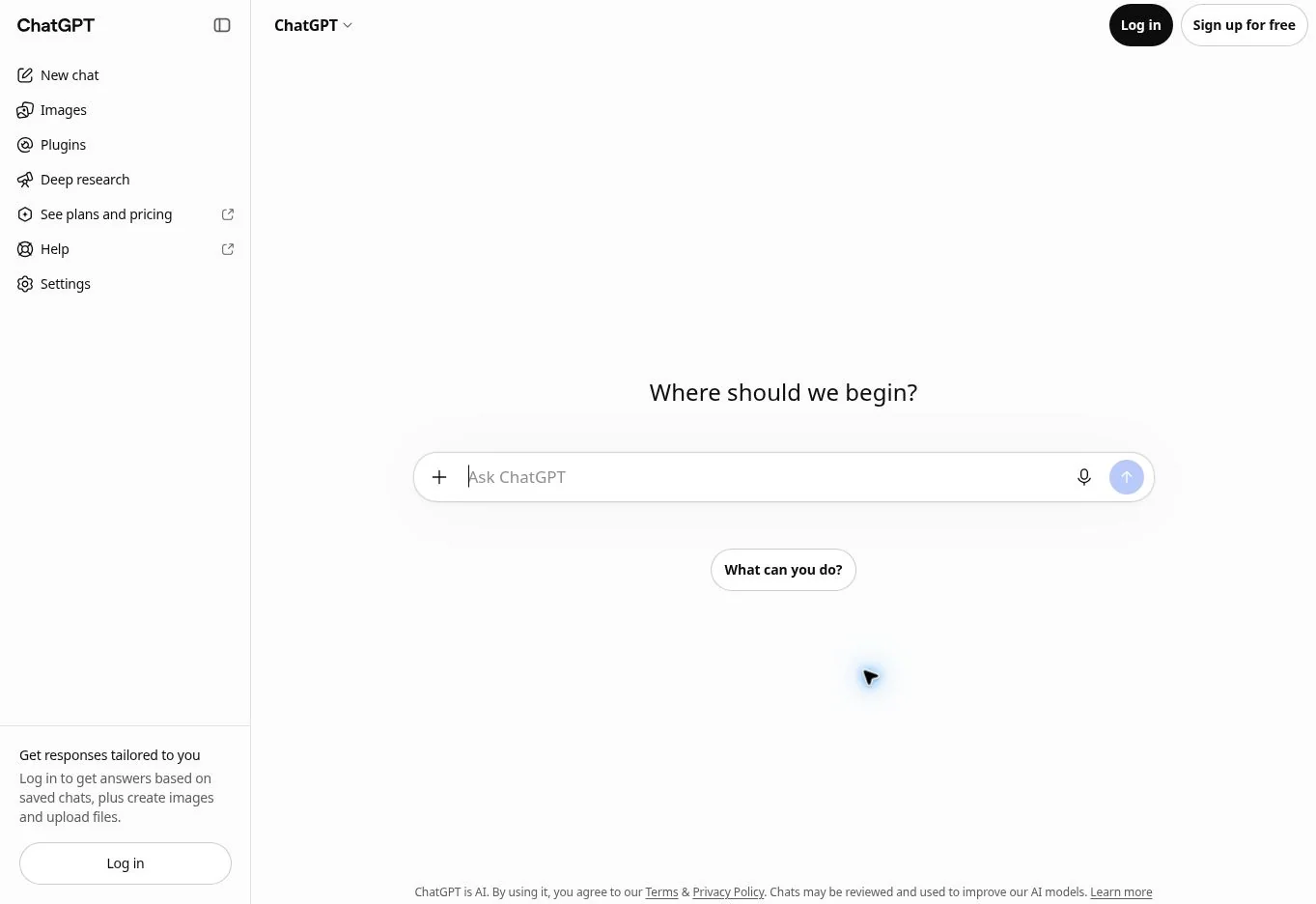
Public ChatGPT homepage with the Ask ChatGPT input, captured on 1 October 2026
Official ChatGPT public homepage, captured on 1 October 2026. Source: https://chatgpt.com/. Interface reference; not a search-result or performance claim.

How should a local business explain its services for answer searches?

Give readers a consistent description of the business, service scope, location, eligibility and contact route. Put qualifications beside the statements they limit. If a service is online, say so. If prices depend on the project, explain what determines a quotation instead of inventing a universal starting price.

Hypothetical example: A Chennai repair business wants to answer “Do you handle weekend appointments?” Its page should explain the actual booking process, service area and confirmation conditions. A clear service description, examples of work and current contact details support the decision. Repeating nearby city names across nearly identical pages adds little value.

An academy can use the same principle for language, curriculum and learner support. Make important details easy to check and direct readers to the relevant offering. For further background on course evaluation, see our Tamil digital marketing course checklist. It addresses an enrolment decision, while this guide explains the optimization discipline.

How can you improve one existing page without creating duplicates?

Start with a page that already answers a relevant question. Write down the missing decision information, inaccurate details and confusing passages. Keep the useful URL when a refresh serves the same intent. Add depth where the reader needs it, consolidate repeated sections, and remove claims that no longer have adequate support.

Build a change log before editing: the problem, the change, the reason and the metric you plan to observe. For example, replacing a promotional introduction with a definition can improve clarity; adding a sourced limitations section can make a comparison more useful. Those are editorial improvements even before traffic evidence is available.

After publication, record when the change became live and which other major changes happened at the same time. Avoid crediting every later increase to the rewritten paragraph. Seasonal demand, broader search changes and promotion may also affect outcomes. Repeat observations over a consistent period before deciding whether the refresh helped the intended audience.

Which AEO metrics distinguish mentions, citations and business results?

Use separate measurements for visibility, visits and conversions. A mention tells you that the brand appeared in an observed response. A citation tells you that a source link appeared. A referral tells you that someone arrived on the site. An enquiry or purchase is another event and should have its own definition.

For a controlled manual observation set, define mention rate as responses mentioning the brand divided by eligible responses reviewed. Define citation rate separately using responses containing a link to the chosen site or page. State the denominator, prompt set, language, observation date and platform. These are local study definitions, not official universal metrics.

Google’s June 2026 Search Console announcement describes dedicated generative AI performance views and notes worldwide rollout by 31 August. Use the available reports to inspect recorded visibility. Keep a screenshot of the actual report period and filters when documenting your own results; the public homepage below is only an interface reference.

OpenAI’s publisher FAQ explains referral tracking, including the utm_source=chatgpt.com parameter. Review landing pages and meaningful visitor actions alongside traffic totals. More visits are useful only when their quality and purpose match the business objective.
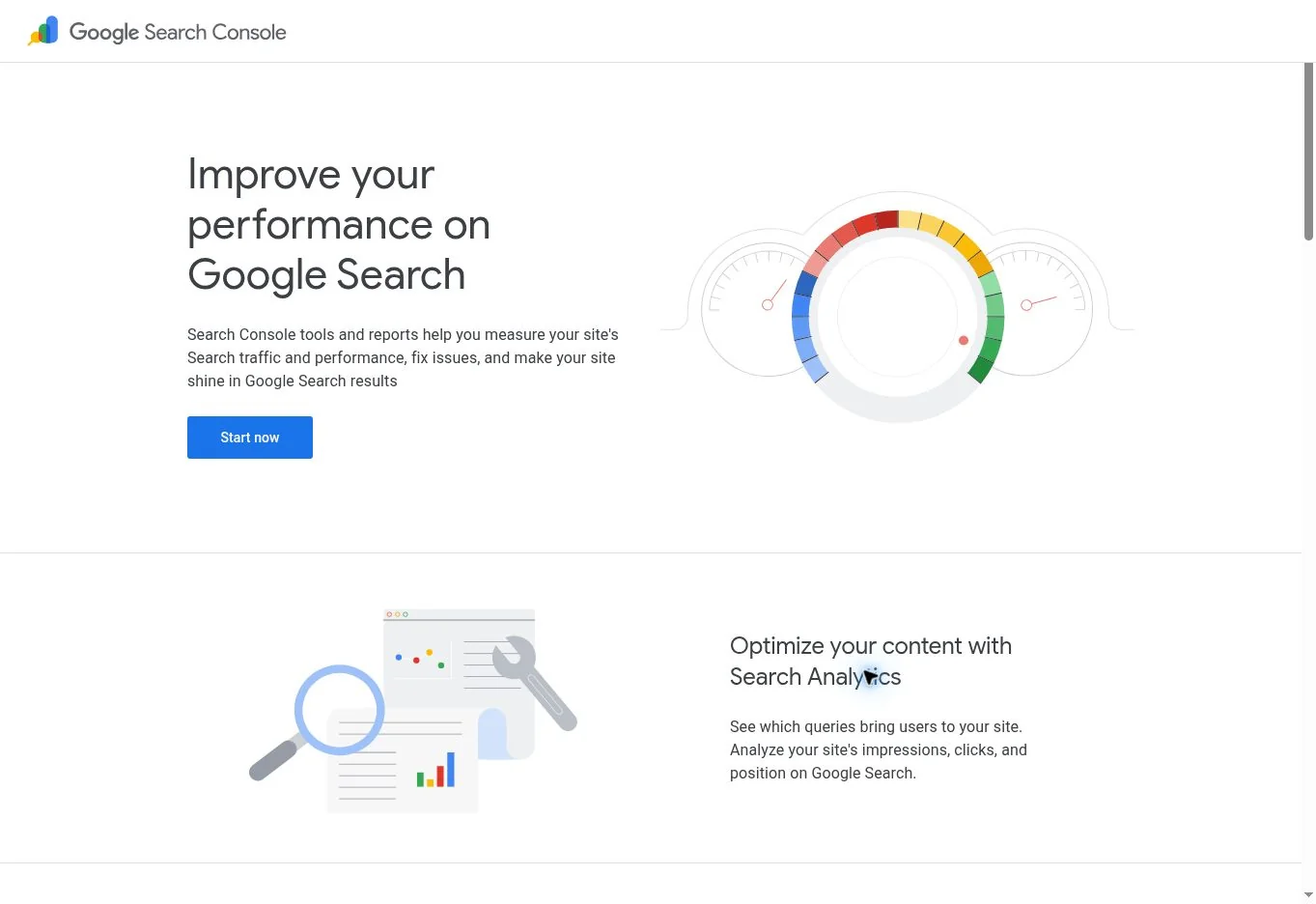
Google Search Console public overview with search performance illustration, captured on 1 October 2026
Official Google Search Console public homepage, captured on 1 October 2026. Source: https://search.google.com/search-console/about. Interface reference; not a search-result or performance claim.

What does an honest AEO measurement example look like?

Hypothetical dataset: Suppose a student records 20 eligible responses using a fixed prompt set. Six responses mention a business, while three contain a link to its website. Under the definitions above, mention rate is 6 ÷ 20 × 100 = 30%, and citation rate is 3 ÷ 20 × 100 = 15%.

These numbers are arithmetic examples, not measured ZenX Academy performance or representative market data. They say nothing about the proportion of all users who see the brand. If the student changes the prompts or language in the next observation round, direct comparison becomes weaker because the sample itself has changed.

Store each observation rather than just the total: prompt, platform, date, answer, mention flag, citation flag and cited URL. Then compare visibility with referral records where available. A response can mention and cite the brand without producing a visit. Treat each stage as information about a different part of the discovery journey.

Which structured data and keyword habits should beginners avoid?

Choose structured data that accurately describes the visible page. An educational guide can be represented as an article; mentioning a course does not make the entire guide a course listing. Google’s structured data introduction explains how markup helps describe content and its relationship to supported search features.

Never add fabricated reviews, ratings, offers or credentials to make a page look more convincing. Validate the markup syntax and check its correspondence with the page. A valid schema document does not guarantee a rich result, and it does not establish that an answer engine will use the page as a source.

Use the primary topic naturally, then include related terms where they clarify the explanation. Answer inclusion, crawl access, citations, search intent and referral traffic belong in this guide because they describe the task. Repeating every term to meet a density target makes the article harder to read and does not create a dependable optimization method.

How can students practise answer engine optimization in one week?

Use a small practice project rather than a promise of fast rankings. First select one topic and write the question inventory. Next review the existing page and technical access. Then draft a clearer answer, add supporting detail, verify claims and check the result on a phone. Finally record publication and begin consistent observations.

Keep the deliverable concrete: one improved page, a source ledger, a before-and-after explanation and a measurement worksheet. Ask a peer to identify the answer, the important qualification and the next step without help. If they cannot find those elements, revise the page before focusing on more software.

Students who want to connect this exercise with wider skills can review the ZenX Academy AI digital marketing syllabus. For a separate software-selection decision, our AI SEO tools comparison explains workflows and limitations. Neither a training program nor a tool replaces careful research and editorial judgment.

Does AEO replace traditional search engine optimization?

AEO adds an answer-focused objective to familiar search work. Keep technical access, useful content and a good visitor experience. Decide what answer or source visibility you want to observe, then measure it alongside ordinary search performance.

Can a new website appear in AI search answers?

A new public website can become discoverable, but access does not guarantee selection. Begin with clear useful pages, appropriate crawl permissions and relevant internal links. Record actual observations rather than claiming citations because the website was published.

Do I need a separate page for every question?

Create another page when it serves a distinct reader task and supports useful standalone detail. Otherwise add a section to the existing guide. Compare intent and content before creating near-identical pages for small keyword variations or locations.

How long should a direct answer paragraph be?

Use enough words to answer accurately, then explain the conditions and evidence nearby. A compact opening often helps navigation, but no universal answer length guarantees AI visibility. Choose the length for the reader and the complexity of the question.

Will adding FAQ markup guarantee an AI citation?

No. Structured data should describe the visible content accurately, and valid markup does not guarantee selection or a search feature. Publish useful visible answers because readers need them, then observe whether platforms actually cite the relevant page.

Is a brand mention the same as a source citation?

A mention names the brand; a citation includes a link to a supporting source. Record both separately and inspect the destination. A citation to another website discussing your business differs from a direct citation to your own page.

Can I measure AEO without buying specialist software?

Start with a defined manual prompt set, saved responses, source URLs and ordinary website reporting. Record context and repeat observations consistently. Paid software may reduce effort, but it cannot remove sampling limits or prove that one edit caused growth.

Should I allow every AI crawler on my website?

Make crawler decisions according to your content and access goals. Search discovery, model training and user-triggered visits can involve different agents. Check the provider documentation and your security rules; do not expose private pages merely to increase discovery.

Does publishing an llms.txt file improve Google AI visibility?

Google’s guidance says its search systems do not require or use special AI text files for visibility. Prioritize useful content and technical access. Other services may have different requirements, so check their documentation before spending time on additional files.

What should a beginner practise before promising AEO results?

Practise identifying reader intent, verifying claims, editing an existing page and recording a consistent measurement sample. Learn the difference between publication, indexing, citations and conversions. Show the actual work and its limitations before making promises to a client.

What is a practical next step for learning AEO?

Choose one question your audience repeatedly asks and improve its answer this week. Keep the evidence, access checks and measurement definitions together so another person can review the work. Build confidence through useful pages and honest observations rather than promises about proprietary ranking signals.

If you are exploring practical training, view the ZenX Academy digital marketing course and enquire about the current curriculum and batch. This guide is published by ZenX Academy, which offers training; the examples above remain hypothetical and do not claim student or client outcomes.

Which official sources support this AEO guide?

Google Search Central: generative AI optimization guidance; AI features and website eligibility; people-first content; robots.txt; structured data fundamentals; June 2026 generative AI performance announcement. OpenAI: crawler documentation and publisher discovery FAQ. Relevant source links appear beside the claims they support. Sources checked on 1 October 2026.

Recent Blog Posts

Call Us Now
WhatsApp